Showing posts with label advice. Show all posts

Thursday, November 28, 2013

Notes On: Humor and Sarcasm


Humor! One of the most social habits of humanity, as well as one of the most perplexing, humor exists to help us make light of serious situations. It's also there to help us open up a conversation, or even impress an audience. In short, humor is a quintessentially human concept that serves a very social function. Some aspects of humor, however, tend to confuse and confound more than make others laugh. Sarcasm, for instance, is often a form of humor that confuses others. It can even be used to express dissatisfaction to another person, much different from what many people think of when they think of humor.

The Aspie Insiders met recently to talk about humor, looking specifically at the matter of sarcasm. We covered in depth how to tell when a person is being sarcastic. The bulk of this discussion will appear later on this blog. For today, though, let's consider why people choose to be sarcastic. It's a question that came up during our conversation, and it's important to understand how sarcasm can be used for good... and for bad.

Sarcasm is an interesting form of humor, one that can be immensely funny when used in a proper context. Some people who are said to have a "sarcastic sense of humor" often have great success in making others laugh. With a dry, sometime even biting sense of humor, this seems counter intuitive. The trick, though, is that people around them grow to understand that personality trait, and in doing so grow closer to the person behind the humor. Sarcastic people can be endearing people to know, the ones who boldly say what's on their mind and require some getting used to. This character from Parks and Recreation, a popular television show, fits this description perfectly:


At the same time, sarcasm can be an inhibitor to making others laugh. It's not uncommon for sarcasm to do the opposite and turn others away. After all, there's a fine line between sarcasm and rudeness. Part of this is because sarcasm is also used as a tool -- a signal that someone just isn't happy about something. Sarcasm can convey disapproval in a way that being openly rude cannot. When a person uses sarcasm to express dissatisfaction with something, they accomplish two dangerous things: 1. They communicate their disapproval, and 2. They keep their intentions hidden (unless, of course, the other person is smart enough to figure this out). Since sarcasm employs irony to convey an opposite meaning, understanding what is actually being said is almost presented as a challenge. Fail the challenge, and it makes a person look foolish.

As an example, let's pretend that Bobby (our sarcastic fellow in this situation) does not like the color red. Amy, a friend of Bobby's, gets Bobby a red hat for his birthday. When he opens his gift and sees the hat, he is dissatisfied. Using sarcasm to convey this feeling, Bobby states, "Wow, a red hat. Thanks. I really appreciate it."

Now, Bobby actually does not like this hat, given that it's red. Instead of making his thoughts clearly known, he opts to use sarcasm. In doing so, he leaves his true feelings hidden. Amy may or may not understand that Bobby actually doesn't like the hat, but it's up to her to figure it out. If she cannot detect the sarcasm, then she looks even more foolish. This is the reason sarcasm can be so destructive, for it uses smoke and mirrors to express frustration, anger, and dissatisfaction.

DO YOU USE SARCASM TO MAKE OTHERS LAUGH, OR HAVE YOU EVER BEEN TOLD YOU HAVE A "SARCASTIC" SENSE OF HUMOR? IF SO, WHAT HAVE BEEN YOUR SUCCESSES AND PITFALLS WITH USING THIS TYPE OF HUMOR? LEAVE A COMMENT IN THE SECTION BELOW.

Thursday, October 24, 2013

Challenges In The Workplace


The Aspie Insiders met up this week to talk about the challenges they have faced in the workplace. From the issue of stress to the matter of prioritizing, our members had some incredibly introspective things to say about the professional world and offered their own perspectives on it — including many things that most people don't often consider.

During our discussion, it seemed the Insiders focused on only a handful of challenges in the workplace. These will be listed below along with the highlights of our discussion.

_______________________________________________________________

Stress

Stress can be an extremely debilitating factor that often negates a person's success in the workplace. It is silent, unseen, and affects everyone differently. Therefore, it is often a hard thing to deal with. The Insiders had some answers here, however, sharing their own tips for dealing with anxiety. Some members described their stress as being very physical in nature, and so they deal with it accordingly by using therapy balls or even a small trampoline to bounce on and get rid of that built up energy. Other members shared more conventional methods of managing stress, such as listening to calming music or exercising.

The trend over the past twenty years for most people in the workforce has been a drastic increase in productivity matched with income levels that have roughly stayed the same. As such, many in the workforce feel overworked and stressed out, handling by themselves what two or three people managed in the past. With this in mind, we concluded that stress is something that has to be managed. It should be an important part of any person's life and should be addressed on a daily basis.

Boredom

Some of our Insiders expressed an interesting challenge they have while on the job — that of boredom. While many jobs present high-stress situations, there are also jobs out there that include lots of down time. To the aforementioned overworked individual, this might seem like a good thing, but as any person who has worked in retail during slow hours will tell you, it can truly be a nightmare.

One of our members prefaced our entire discussion on boredom by stating that he often seeks out things to do when things get slow at the place he works. By doing this, he said, he avoids boredom and shows his supervisor that he values his job and has a healthy work ethic. With the popularity of smartphones, I imagine this as an opportunity often overlooked. An employee cannot complain of boredom if there are still responsibilities to meet.

If, however, you find yourself bored to tears with nothing else to do, there are some things you can do. If it doesn't interrupt your ability to meet customers' needs, listening to music or audiobooks might be the way to go. One member said that he does just this at his job as a document processor. Speaking of customers, interacting with them is a great way to avoid boredom (and it shows a proper work ethic). And finally, you might consider making menial tasks fun in your own way: challenge yourself, get coworkers involved, inject some humor into the task. A little creativity can truly be a boredom killer.

Multitasking

When this topic came up in discussion, one of our members made a very clear, decisive statement: "Multitasking is a myth." In researching this a bit since our meeting, it seems to be the case. From an article featured on NPR, this statement rings true: "The research is almost unanimous, which is very rare in social science, and it says that people who chronically multitask show an enormous range of deficits. They're basically terrible at all sorts of cognitive tasks, including multitasking."

The article can be found here.

Prioritizing

If multitasking, then, is essentially a dead end, what are we left with? Basically, the Insiders determined that prioritizing rather than multitasking is the way to go. That, of course, can be a challenge in and of itself. Figuring out what tasks one has to complete is the first step, but then figuring out the order in which to do those things is the next one.

Making lists is always helpful. One member said that he lists out everything he can think of that he has to get done. Purging one's mind of those thoughts instantly reduces anxiety — you have gotten it "out of your system" — and it helps to see those responsibilities laid out. After this, ask yourself what requires immediate attention. You can work your backwards from here, deciding what needs to be done before the day's end, what needs to be caught up on, and what can wait. Essentially, designating a system for this is the way to go — it might take some practice to effectively gauge the order in which tasks should be completed, but this will go a long way in helping you make correct decisions.

BELOW, SHARE YOUR OWN CHALLENGES IN THE WORKPLACE. HOW HAVE YOU DEALT WITH THEM? WHAT ADVICE WOULD YOU GIVE THOSE WHO ARE RELATIVELY NEW TO THE WORKING WORLD? LET US KNOW!

Thursday, October 10, 2013

Conversation Skills and "The Mountain"

The Aspie Insiders recently met up together to talk about a huge requirement for interacting with other people: having communication skills. Specifically, we mapped out the course of a typical conversation step by step, being careful to explain how each stage of a typical conversation differs and what it looks like in real life.

With this in mind, we would like to share with you our "Conversation Mountain," a carefully plotted map for how typical conversations progress:


The six steps to this conversation pattern are fairly simple, and they provide a fair picture of what is going on while two people are interacting with words:

1. Greeting. The greeting is as simple as saying "hi," though our members agree that even this can be difficult in the right context (such as introducing yourself to a person you're attracted to).

2. Small Talk, Part 1. For the first phase of small talk, our members noted that people generally ask questions to get a conversation started. The "W" stands for "wonder questions," which are essentially questions asked because of something that one is wondering about another person.

3. Small Talk, Part 2. As we transition into small talk, we go from asking wonder questions to asking "followup questions" (that's what the "F" stands for in our image). As the name implies, these questions are following up on bits of information gained from asking wonder questions.

4. Deep, Personal Conversation. The top of the mountain in terms of conversation is without a doubt the best place to be. Our members noted that at this part of the conversation, the topics discussed are usually personal and complex. In a way, the whole practice of "small talk" is for reaching this area of the mountain, where people can be themselves and talk about the things that interest them.

5. The Wrap Up. At this part in the conversation, things are winding down. Even though the top of the mountain is a great place to be, it requires a lot of energy and can't be enjoyed forever. When time is running out or interest is fading, our members noted that people generally indicate a conclusion to things by saying something like "Well, it was great talking to you, but I gotta run."

6. "Goodbye." This part of the mountain represents the end to the conversation and is usually marked by a departing remark such as "see ya" or "alright, I'm out" — something simple to indicate to the other person that you are done with the conversation.

On our conversation mountain, you will also notice a bridge connecting "small talk" to the "wrap up." One of our members suggested this, since in many cases small talk is used as a courtesy to others rather than as a way to get into deep, personal conversations (people typically do this when they know they won't have time to get to "4" in a conversation). Of course, the bridge can go the other way as well — that is, in the process of "wrapping up" you may discover a topic the other person wants to talk about.

As far the river goes, that was added for aesthetic appeal. If, however, you think it can be a metaphor for how we converse, let us know in the comments section below!

WHAT DID YOU THINK OF OUR CONVERSATION MOUNTAIN? DID WE FULLY COVER THE PROCESS THAT OCCURS WHEN PEOPLE TALK TO EACH OTHER? AND, DO YOU THINK THIS IS HELPFUL FOR THOSE WHO HAVE DIFFICULTY NAVIGATING The Aspie Insiders recently met up together to talk about a huge requirement for interacting with other people: having communication skills. Specifically, we mapped out the course of a typical conversation step by step, being careful to explain how each stage of a typical conversation differs and what it looks like in real life.

With this in mind, we would like to share with you our "Conversation Mountain," a carefully plotted map for how typical conversations progress:
The six steps to this conversation pattern are fairly simple, and they provide a fair picture of what is going on while two people are interacting with words:

Greeting. The greeting is as simple as saying "hi," though our members agree that even this can be difficult in the right context (such as introducing yourself to a person you're attracted to).
Small Talk, Part 1. For the first phase of small talk, our members noted that people generally ask questions to get a conversation started. The "W" stands for "wonder questions," which are essentially questions asked because of something that one is wondering about another person.
Small Talk, Part 2. As we transition into small talk, we go from asking wonder questions to asking "followup questions" (that's what the "F" stands for in our image). As the name implies, these questions are following up on bits of information gained from asking wonder questions.
Deep, Personal Conversation. The top of the mountain in terms of conversation is without a doubt the best place to be. Our members noted that at this part of the conversation, the topics discussed are usually personal and complex. In a way, the whole practice of "small talk" is for reaching this area of the mountain, where people can be themselves and talk about the things that interest them.
The Wrap Up. At this part in the conversation, things are winding down. Even though the top of the mountain is a great place to be, it requires a lot of energy and can't be enjoyed forever. When time is running out or interest is fading, our members noted that people generally indicate a conclusion to things by saying something like "Well, it was great talking to you, but I gotta run."
"Goodbye." This part of the mountain represents the end to the conversation and is usually marked by a departing remark such as "see ya" or "alright, I'm out" — something simple to indicate to the other person that you are done with the conversation.

On our conversation mountain, you will also notice a bridge connecting "small talk" to the "wrap up." One of our members suggested this, since in many cases small talk is used as a courtesy to others rather than as a way to get into deep, personal conversations (people typically do this when they know they won't have time to get to "4" in a conversation). Of course, the bridge can go the other way as well — that is, in the process of "wrapping up" you may discover a topic the other person wants to talk about.

As far the river goes, that was added for aesthetic appeal. If, however, you think it can be a metaphor for how we converse, let us know in the comments section below!

WHAT DID YOU THINK OF OUR CONVERSATION MOUNTAIN? DID WE FULLY COVER THE PROCESS THAT OCCURS WHEN PEOPLE TALK TO EACH OTHER? AND, DO YOU THINK THIS IS HELPFUL FOR THOSE WHO HAVE DIFFICULTY NAVIGATING CONVERSATIONS?


Friday, October 4, 2013

Simple Tips For Saving Money

With the Aspie Insiders, we often talk about the importance of "Executive Functioning" skills -- that is, such things as planning, strategizing, organizing, attention to detail, and time management. These are critical skills needed to grow up successfully and manage all the fine details of life.

While the idea of managing time is extremely important, we often talk about management of another necessity in life, and that is money. Being in control of money (rather than the other way around) is a challenge for many, especially given the troubling economic environment most have had to get used to within the past few years. With this in mind, check out the following video that offers some simple money-saving tips for any person to follow. While you might not find yourself saving up huge amounts of cash because of this video, it will challenge you to live more frugally.


BELOW, SHARE YOUR OWN THOUGHTS ABOUT HOW TO SAVE MONEY AND GET BY IN A WORLD THAT CAN BE QUITE CHALLENGING WHEN IT COMES TO FINANCES. ALSO, FEEL FREE TO COMMENT IF YOU'RE ALREADY DOING SOME OF THESE THINGS!

Thursday, September 19, 2013

Flexibility And Pet Peeves


One of the greatest challenges we as people may experience in our lives is that of being flexible -- of managing conflicts or frustrations in a reasonable and mature manner.  When a person at the grocery store line jumps in front of you or accidentally spills juice all over your shoes.  Or when the person waiting on your table at a restaurant forgets to put in your order.  Or maybe even the neighbor's dog barking in the middle of the night and keeping you up.  These are all moments when a bit of patience and flexibility can go a long way!

The Aspie Insiders met up last week to discuss this concept and what it means to us.  Here are some of the thoughts they had on the subject:

  • One Insider mentioned the need to be flexible while he worked at Harris-Teeter.  He explained that in moments when he lost his cool, he was quick to apologize.
  • Another member talked about how some people can "cross boundaries" in a given situation and make being flexible an extremely hard thing to do.
  • It's important to keep in mind that there's a proper balance between being assertive and being flexible.  Being flexible doesn't mean that you're willing to be taken advantage of; rather, it means that a person can get along with others in times of stress.
  • If you're stressed out or feel you can't be flexible, it's important to take steps to fix a situation before it starts.

As we talked about the importance of being flexible, one of our members mentioned the way the general population views Asperger's Syndrome.  It was mentioned that most people tend to treat those with Asperger's just as normal people.  This works most of the time, but in moments of stress (especially in either an educational or occupational setting) the Insiders wished other people would be more flexible with them.

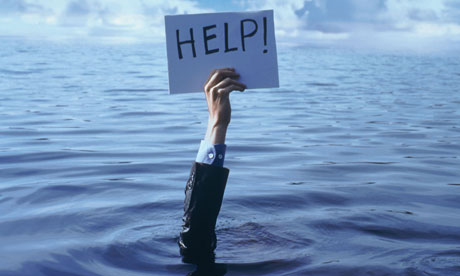
The last thing we added to the discussion was a quick step-by-step list for asking for help.  It looked something like this:

  1. Identify what you need
  2. Identify who you should talk to to get what you need
  3. Think about what you need to say to this person
  4. Address the issue or challenge
  5. Work together to produce solutions
  6. Repeat if necessary

In today’s hectic, crowded world, following these steps and asking for help can significantly improve a person's life.  Help exists, but being able to know when and how to ask for it is a skill in itself.

IN THE COMMENTS SECTION, SHARE YOUR OWN STORY ABOUT HOW ASKING FOR HELP MADE YOUR LIFE A LOT EASIER.  WHAT TIPS DO YOU HAVE FOR THOSE WHO STRUGGLE WITH ASKING FOR HELP?

Wednesday, July 17, 2013

Ahhhh, Memories!


Memories are powerful things. Whether it be in the form of a flashback or for the purpose of acing a test, memories have both function and purpose in our lives. And even though memories are very much the things that make up our lives and help define who we are, we hardly ever think about memory as something that can be trained.

The following TEDTalk gave a wonderful outline for just how memories are more than what they seem, and how the mind can perform even mundane tasks in wonderfully creative ways. Check it out! Then, let us know your thoughts on, well, your thoughts (or at least your memories). 


BELOW, LET US KNOW WHAT YOU THINK ABOUT THE VIDEO! HAVE YOU EVER THOUGHT OF MEMORIES IN THIS MANNER? AND WHAT DO YOU THINK IT SAYS ABOUT THE WAY OUR MIND WORKS?

Thursday, June 27, 2013

How Video Games Can Change Your Life... For The Better!

Check out the following TED Talk entitled "The Game That Can Give You 10 Extra Years Of Life." Video games are often the focus of much criticism, but they can also have huge benefits if used the right way! This video describes just that -- the manner in which games can be used to teach, help, and even heal. Jane McGonigal, the speaker, makes a case for how video games aren't a waste of time.


BELOW, LET US KNOW WHAT YOU THINK ABOUT THE VIDEO! HOW DO YOU FEEL ABOUT THE PURPOSE OF VIDEO GAMES? ARE THEY A WASTE OF TIME, OR DO THEY OFFER SOME BENEFITS TO THE WORLD?

Wednesday, May 1, 2013

The Difference Between Being a Child and Being an Adult

The Difference Between Being a Child and Being an Adult?

So just what is the difference between being a child and being an adult?  It is a matter of responsibility and obligation?  Or perhaps it has to do with appearance and the way a person dresses him/herself?  Maybe it simply comes down to intelligence.

Here’s a video to help clue you in on some of those differences.  Check it out!


BELOW, FEEL FREE TO SHARE YOUR OWN THOUGHTS ON JUST HOW PEOPLE BECOME EMOTIONALLY MATURE! IS THIS ALL THERE IS TO IT, OR IS THERE MORE?

Tuesday, April 23, 2013

Labels: The Pros, Cons, and Effects on Society

Today, we have a submission from one of our very own Aspie Insiders, Miles Bumgardner. He writes about the pros and cons of labeling, a very interesting subject that affects every single one of us. Check it out below!
__________________________________________________________________________


"Labels: the pros, cons and effects on society"

"Mommy, look at the funny looking man. Is he a clown"?

"No dear, that's what he really looks like".

"Oh, he looks soooooooo weird".

It seems that, even at the youngest of ages, we as individuals are bred to label people and things that appear unusual to us. Rather than attempt to make the leap and discover what this person/thing is, we tend to fall back on the "acceptable" stereotypes we've learned from mainstream media to our own families. The guy with saggy pants suddenly becomes a gangsta. The blonde chick who sits next to you in math class is "out of your league". The child who struggles with even the simplest forms of math is viewed as being stupid.

Any of this sound familiar? Maybe you have been in these shoes yourself? Heck, I know I have!

From the outside the act of labeling can appear as harmless — though sometimes excessive — joking around. But there is always a strong possibility that within the victim there is quite a bit of damage being done. The pickings may not be all on physical appearance but rather on behavioral interactions in their environment. Personally speaking, this is where having Aspergers Syndrome places me deep within the labeling camp. Because what I do, think, and say is not the same as a certain group's I therefore become the weirdo. The outsider, who now finds it difficult to approach people because of their preconceived views on me.

Then again, I guess we all are in the labeling camp in this life. Personally, I find being labeled is like be branded as a type of food. After aren't we all, in essence, just walking packages of meat? The only difference is that some of us haven't been shrink wrapped yet!

Labels….What are they good for?

One can see how labeling individuals from a psychological standpoint can be rather helpful. Using a type of diagnostic labeling can help with a large amount of information, which can prove beneficial to the party being diagnosed to receive proper help. For example, when one hears the term "bipolar disorder", a trained professional will know and understand all about what it conveys (hopefully). There are theories stating that whatever happens within the mind can be shown on the outside of an individual. The depressed girl will wear the look and bear the air of depression, even though she may be completely oblivious to the fact she is doing so. Her philosophy can be affected, which in turn affects the way she interacts with the world, within and around herself. This may lead a way for others to take notice and proceed to help her.

Another advantage to the pro use of labeling is that, once something has been identified, one can look up information about it. Using music to guide us, let's say you want to look up similar artists to, say, Led Zeppelin. With today's technology that wouldn't be to hard: merely google "Led Zeppelin" and you will automatically be given several bands in the same time period or genre. That has proved to be a good way to branch out and make friends, because of a certain type of labeled music. Well, it has for me at least! I can't remember how many times I've sat with certain individuals discussing/analyzing the music of Pink Floyd, and being welcomed by others because of that! Ah, good times. Good times.

Hmmm, maybe labeling isn't all that bad? Well, no it's not. Unfortunately there are some downsides to being labeled (like food, remember?)

I would guess that about 90% of how and why we, as a society, label individuals is based on stereotypes. New kid comes into your class room, wearing eyeliner and all black clothing. It is so easy to jump on the bandwagon and say this kid is Emo, and more than likely will be the super creepy dude he sits by himself in the corner. Running with that logic (you've not talked to him yet, mind you) you avoid him in the hallways, ignore him when he tries to make small conversation, and put him down behind his back. On the basis of what? The way he dresses and looks. For all we know this fellow could be the happiest, most approachable chap in the world. But because you decided to run with a preconceived notion, you miss out on probably some good times.

One never knows unless they break through the looking glass and approach the guy.

One more downside, and one reason I am against labeling, is the complete absence of individuality. When one finds themselves labeled into a certain group of fellows they are expected to behave and act like the rest of the group. You like what they like. You dress how they dress. You talk how they talk and think how they think. Sounds fun right? So where's the chance to be yourself? Well, to put it simply, it doesn't exist. One couldn't merely say they were an "individual hippy' could they? No no no, all hippies smoke weed, play guitar and listen to the Grateful Dead. So if you say you're a hippy, you MUST do all of these! And we can use that for all kinds of social groups. Its not fair on any level, and frankly is rather cruel to be told you can be anybody but yourself.

So what can we do? Although this is a critical problem in the world today the only way we can fix it is starting at ground zero: ourselves. We can remind ourselves how painful it can be to put down someone merely because of the image they project. Would you like someone to do that to you? I would hope not! You control the world you live in, your individual world. By giving more compassion and more understanding to all beings, we can work to take down the wall that divides us as a race and be accepting of everyone, including ourselves. Its like what John Lennon said:

"There's nothing you can do but learn to be you in time. It's easy! All you need is love!"

Thursday, February 21, 2013

Myths About Introverts


At our last Aspie Insiders get-together, the group discussed the differences between introverts and extroverts. One thing quickly became clear: even though it's nice to categorize human beings in one of these two camps, it's rarely the case that someone is "purely" an introvert or an extrovert. We used an introvert vs. extrovert quiz that helped us generate some discussion (found here), and what we found as we went through each statement is that most of our members were all over the place.

Even the very first statement ("I prefer one-to-one conversations to group activities") was met with some speculation. Some of the more introverted members said that they enjoy group activities so long as they don't have to actively participate all the time — if they could remain the "quiet member," it was even better for their personality than a one-to-one conversation. The rest of the quiz was much like this, with many surprises as our extroverts indicated some introverted tendencies and vice versa.

Social Circles!
Rather than look at the quiz as a failure, we determined that everyone is their own unique person, such that even the most introverted person maintains some extroverted qualities. This became very apparent as the issue of social media came up; many introverts have a richer social presence online than in real life. For them, this is where many of their social circles exist.

One other thing that we talked about briefly is some of the myths that exist about both introverts and extroverts. Here's a good article from a self-described introvert about some of the falsities that are out there concerning introverts. (As an introvert myself, I can attest to many of these.)

A last thought from our Insiders is this: a good indicator of whether you're an introvert or an extrovert is in how you react to being social. If being "out and about" and talking to others drains your energy, there's a good chance you're an introvert. Extroverts, on the other hand, often feel energized from being around other people. Of course, this isn't always the case and there are many people who float between these two extremes, but it's often a good starting point for realizing where you stand in all of this.

WHAT ABOUT YOU? DO YOU CONSIDER YOURSELF AN EXTROVERT OR AN INTROVERT, AND WHY? IF YOU HAVE ANY MORE TIPS FOR FIGURING OUT THESE DIFFERENCES, PLEASE SHARE BELOW!

Thursday, December 13, 2012

The Mind Does What The Body Tells It

Take a look at the following TED Talk entitled "Your Body Language Shapes Who You Are." It's an extremely interesting case for how important body language is, arguing that our mind tends to follow what our body does (sort of like how a sad person can smile until they actually start to feel happier). In any case, it's an interesting presentation that might change your mind about how the importance of some of that non-verbal communication.


BELOW, LET US KNOW WHAT YOU THINK ABOUT THE VIDEO! IS BODY LANGUAGE REALLY THAT IMPORTANT? AND HOW CAN IT CHANGE NOT ONLY YOU, BUT THOSE AROUND YOU??

Wednesday, November 14, 2012

Two Surprising Questions To Ask Yourself When Making Friends

photo by Bilal Kamoon

Let's face it: for some, making friends can be really tough. That knot in your stomach -- you know, the one that emerges right when you think you're ready to jump into a conversation -- that isn't something that only you have felt before. It's a common experience among many, and it's not very fun.

Our Insiders recently met with an interesting perspective on this topic of making friends. Rather than looking at that "laundry list" of tips for making friends (example: introduce yourself to someone new), we went back to the basics and asked ourselves two very intriguing questions, one of which was:


How many friends do you actually want?


This first question can best be answered by the acknowledgement that not everyone wants a lot of friends. In thinking about the differences between introverts and extroverts, it's clear that many people are perfectly happy with a smaller group of good friends, while others want as many friends as they can possibly get! Generally speaking, extroverts tend to have more good friends and acquaintances, while introverts have fewer friends in those categories. Don't be fooled, however, as introverts tend to place more value on close friendships and often have a few more of those "most trusted few."

With this distinction made, it's important to be realistic about how many friends you actually want to have in the following categories: acquaintances, good friends, close friends, "most trusted few." Not everyone needs to have as many friends as possible, and indeed some people overwhelm themselves with the notion that they need more and more friends. Once you have this question figured out, you can start working on the next one:

Where do you make friends?

This question focuses on where to make friends rather than how. It's a rewording of a question that clues us in on something very important: one of the best ways to make friends is identifying where they may be. So while it's true that potential friends are all around us, why not make the task even simpler by going to where you absolutely know you can make friends? Consider thinking about some of your interests, skills, hobbies and go to the places in which people are doing those same things. By doing this, it's much easier to practice those conversation skills since you can be sure that others share your interests as well.

Furthermore, this is an easy way to get used to social recreation, that skill of getting friends together and hanging out. It's much easier to spend time with a group of friends when everyone is doing something they like to do. For people who have some social anxiety, this is a great way to get used to being around crowds of people as well.

BELOW, SHARE YOUR OWN THOUGHTS. DO YOU HAVE ANY OTHER TIPS THAT MIGHT BE USEFUL FOR MAKING FRIENDS? IF SO, LEAVE A COMMENT AND WE'LL DISCUSS!


Friday, October 12, 2012

The Brain Matters!


Featured below are a couple of articles that show the importance of both nutrition and sleep to our brains. At first glance, one might wonder what these things have to do with social skills. After all, the first article tested for scores on cognitive tests; nothing about social skills was mentioned at all. But if we look at human beings as a whole rather than just on the basis of a test score, we might be able to bridge some connections. The second article argues for the importance of sleep, that it contributes greatly to our physical health. It also helps us solve problems and think more clearly. A person who is well-rested is also more capable of handling stress as well.

Focusing on the health benefits that proper nutrition and sleep can provide is wonderful. It helps us perform real-world tasks as best as possible and keeps us in tip-top shape for everything from our jobs to our friendships. And let's not forget, a large part of being a responsible adult means that we take proper care of ourselves. Without proper nutrition or sleep, one may feel too sick or tired to perform their responsibilities at work. Or one may forget about a commitment they made with a friend. Or... well, the list goes on and on!

The first article -- which you can find here -- showed the link between good nutrition and good cognition.  The researchers used biomarkers in the blood to correlate vitamin usage to brain health.  Here are some of the things they found:
  • People who consumed higher levels of vitamin B (as well as vitamins C, D, and E) had higher scores on cognitive tests than people with lower levels of those vitamins.
  • People who had higher levels of omega-3 fatty acids also performed better on these cognitive tests.
  • Higher levels of trans fats was associated with a poorer performance in thinking and memory tests.  The researchers also found that higher levels of these fats led to more brain shrinkage.  Trans fats are found in junk foods like friend, packaged, and fast foods.
  • Author Gene Bowman said that the team's findings "need to be confirmed, but obviously it is very exciting to think that people could potentially stop their brains from shrinking and keep them sharp by adjusting their diet."
The second article -- found here -- revealed the important role that sleep has for our brain.  Researchers again used biomarkers in the blood to reveal that sleeping has an anti-inflammatory effect on the brain.  The study also showed that people who have trouble sleeping are more at risk for metabolic syndrome.  Interestingly enough, it was also mentioned that sleeping on a problem is actually an efficient way to solve them.  According to the article, "During sleep, our brain's memory centers are busy consolidating recall for more effective memory when we're awake.  Sleeping well is an important way to improve your memory ability and may lower risk for cognitive decline."
With the importance of sleep explained, the article gave some tips for sleeping soundly at night:
  • Stay up during the day. A daytime nap can be invigorating, but if you already suffer from sleeplessness at night, try not to nap so you'll feel more fatigued at bedtime.
  • Avoid evening liquids. After dinner, try not to drink large quantities of water or other drinks. A full bladder can awaken you during the night and you may have trouble getting back to sleep.
  • Stay mellow in the evening. Watching lively nighttime sports or an exciting movie thriller tends to hype some people up, making it harder for them to fall asleep.
  • Avoid caffeine at night. Whether it's from tea, coffee, soda or even a chocolate bar, caffeine can keep us awake, so avoid it in the evenings. Try to skip coffee entirely in the late afternoon and evening.
  • Maintain good sleep habits. It helps to get into bed at the same time each night. Try to skip watching TV, eating or even reading a book. Simply turn out the light and take a few moments to get settled. If you are not asleep after 20 minutes, get out of bed and do something else until you feel tired again. Once you go back to bed, get settled, and give it another 20 minutes. Every time you get into bed to sleep, try remaining still and focus on slow, steady breathing.
DO THESE STUDIES CONFIRM YOUR OWN NUTRITION AND SLEEPING HABITS?  AND DO YOU HAVE ADDITIONAL TIPS FOR EATING OR SLEEPING BETTER?  IF SO, ADD THEM TO THE COMMENTS SECTION BELOW!

Thursday, October 11, 2012

Types Of Friends

Photo by D. Sharon Pruitt


One of our most popular topics with the Aspie Insiders has been friendship. And why not? Most of us as human beings seek social interaction in one form or another. Whether you're an introvert or an extrovert, chances are friendship is on your mind. While the Insiders have discussed the skills needed to make friends as well as how to treat friends, one thing we might have glanced over is the definition of a friend.

When it comes to friends specifically, there are a few different levels of friendships that exist, and it's helpful to keep these in mind. Understanding the differences here can help us better socialize with friends as well as gauge those relationships.  For example, knowing not to reveal deep, personal feelings to a simple acquaintance will help us avoid awkward situations that otherwise might push people away.

With that, there are a few different types of friends that exist.  They are:
  • Acquaintances: People you just barely know.  You might not know there names or other important details.  You can be friendly with them, but don’t go into depth with personal details.
  • Good Friends: Those you don’t really know well, but you can still be friendly with them.  Good friends are closer than acquaintances and might show up every now and then in your life.
  • Close Friends: These are people you can trust a lot with.  You know a lot about them, they know a lot about you.  They are closer than good friends and are the people you might see on a day-to-day basis.
  • Your Most Trusted Few: These friends are few and far between.  You can trust them with a WHOLE lot.  Respect and value these types of friends.  They can be your parents, close siblings, and best friends.
It's not uncommon for our friends to move from one level of friendship to another.  You might find that you have a lot in common with an acquaintance and that relationship might grow to the point where you identify yourselves as close friends.  On the other hand, a close friend may move away and become just an acquaintance.

There are other types of friends as well. A new term we've been using lately is "frenemy" -- an enemy disguised as a friend. These are the people who appear friendly on the surface but are secretly motivated by something else, whether it be seeing a "friend" upset or taking advantage of them. As we go through life, however, it's important to gauge who our true friends are.

WE TALKED ABOUT HOW PARENTS, CLOSE SIBLINGS, AND BEST FRIENDS CAN ALL BE PART OF "YOUR MOST TRUSTED FEW."  WHAT KIND OF PEOPLE FIT INTO THE OTHER CATEGORIES?  AND WHAT ARE THE BIG FACTORS IN DETERMINING WHAT TYPE OF FRIEND A PERSON IS?  IF YOU HAVE AN IDEA, SHARE BELOW!

Friday, October 5, 2012

Insiders Grab Bag!

Included below is a healthy sampling of some of the more popular entries from our Through Aspie Colored Glasses blog. From learning how to make friends to tips on saving money, check them out! Remember that comments are always appreciated. And of course, don't forget to share this with someone if you think they'll find it interesting.

__________________________________________________________________________

Making Friends

An entry on those social skills vital to making new friends and maintaining relationships. While we don't cover everything a person needs to know to develop new friendships, our Insiders go into detail on what has worked for them and what they hope might work for you!

A Framework For Organization

Organization is tough for most, but don't lose hope! Our Insiders look at some proven techniques for turning any space from "ground zero" to a functional place to live, work, play, and so on. Our "framework" for organization provides a step-by-step process that any person can adopt to clean up even the messiest of rooms.

Perfect Planning

Planning, just like organization, is one of those Executive Functioning skills that helps us maintain order in our life. Without it, humanity would simply not get by. The Insiders chime in on what makes planning difficult, and they offer their own advice for any person who finds planning to be tough.

Social Recreation

Behind the seemingly simple idea of "hanging out" with friends, there are many skills that one must coordinate to do something like meet up with a group of buddies on a Friday night. There's planning, communication, organization... and this all before you even meet up with those friends! For some, this all seems like common sense, but for others it's not so easy. Our Insiders offer their own thoughts on what we've termed "social recreation," the practice of meeting up and hanging out with friends.

Insiders: On Money

Finances is a pretty big topic that covers a lot of different things. So rather than looking at advice concerning money, the Insiders sat down for a discussion on how they handle finances. While many good points were made, perhaps the most important one of all is that managing money successfully requires one's own custom strategy. What works for one person doesn't always work for another. If you check this entry out, don't forget to let us know what works for YOU when managing money!


COMING SOON, WE WILL BE DOING INTERVIEWS WITH SOME OF OUR VERY OWN  INSIDERS AND THOSE WITHIN THE ASPERGER'S COMMUNITY. AS OUR ASPIE INSIDERS BLOG CONTINUES TO GROW, WE ARE ON THE LOOKOUT FOR WHAT YOU WOULD LIKE TO HEAR FROM US! LET US KNOW IN THE COMMENTS SECTION BELOW, AND THANKS FOR READING!

Friday, September 28, 2012

The Divided Brain

During discussions with our Aspie Insiders, we have referenced the idea of "emotional intelligence" a few times, usually when having a conversation about how we react to the actions of others. While this isn’t a new concept, it’s still something that many people don’t quite understand.  One of the things we’ve talked about as a group is how our mind works — that is, sometimes it reasons while other times it empathizes.  For a long time, we explained this by referring to how our brain is divided.  One side reasons while the other feels emotions, one side analyzes and the other creates, and so on.  The interesting thing is, this activity in the brain isn’t really as divided as we thought.  Check out the video below to find out more.


IF YOU HAVE A VIDEO YOU WOULD LIKE TO SHARE, LINK US TO IT BELOW! AND DON'T FORGET TO LEAVE YOUR OWN THOUGHTS ON EMOTIONAL INTELLIGENCE BELOW AS WELL!

Friday, September 7, 2012

The Insiders On: Giving Back


Giving back — whether it be for a community, a friend, or a cause — is something that we as human beings are all capable of. It is a concept that helps the world move in a productive, positive manner as well as one of those essential rules that helps ensure that people are cared for and looked after. When we give back to others who have helped us, it offers us a chance to not only focus on people other than ourselves, but to actually make a concrete difference in another person's life.

The Aspie Insiders met today to discuss some of this and recount the ways that they have given back to the community or to those close to them. As we talked about our own experiences, it became clear that volunteering one's time or abilities can often lead to more opportunity. One of our members, Daniel, shared that he volunteered at a nearby library by teaching computer skills. Eventually, he was asked to join the library in a paid position. Another Insider, Jay, offers his skills as a DJ on a regular basis for many events that go on at the iCan House. While he has done this voluntarily, many of his paid gigs have come from recommendations through the iCan House.

Giving back doesn't have to happen with the expectation that one will get something in return though. One Insider mentioned the "pay it forward" idea from the movie of the same name. The concept is simple: if someone does a good deed for you, do a good deed for three other people. This "random acts of kindness" thing is something we talked about last week. It's simple, it's kind of impulsive, but it sticks. It's definitely a way to create more friendships, but it's also a way to change lives.

So how can you give back to others? Consider the following:
  • Volunteering. Seriously, there are tons of places out there with specific needs that are looking for YOUR specific talents. Consider www.volunteermatch.org/ as a starting point. Or, simply look up some local organizations and make some calls. There are opportunities out there for you if you're looking to volunteer!
  • "Paying It Forward." If you do something nice in return for a friend's kind act, the circle of compassion ends there. If, however, you do three good deeds for every one good deed done for you, then the cycle continues (especially if you encourage the people you help to "pay it forward" themselves). 
  • Being a good listener. Giving back isn't just about what you can do for your community, it's also about what you can do for your friends. Friends aren't just for hanging out with — they're also there to listen to you when you have something heavy on your heart. For those close friends, consider opening up a conversation by simply asking "How are you doing?" If your friend responds with a quick "fine," press a little bit more: "No, really. How have things been? Good, bad, could be better? What's on your mind?"
  • Use your talents and skills. What's better than doing the things you enjoy doing? Answer: doing what you like to do for someone else! Think about your own talents and abilities for just a moment. Chances are, there is someone that you know who could benefit from those skills that you have. Consider making a list. Consider what YOU can do!

HOW HAVE YOU GIVEN BACK TO EITHER THE COMMUNITY, YOUR FRIENDS, OR A CAUSE? AND HOW DID IT MAKE YOU FEEL? LET US KNOW IN THE COMMENTS SECTION BELOW!

Wednesday, September 5, 2012

Making Friends


The Aspie Insiders met today with an important discussion topic in mind: friendship! Consider for a moment all of the people who revolve around you on a day-to-day basis: family members, coworkers, close friends, acquaintances, strangers, and so on. These are the people who create YOUR universe, the people with whom you can share feelings or hang out with. Or — as is the case with strangers and acquaintances — they might be the people you get to know as you try to make a new friend.

As we started talking, the founder of the iCan House dropped in to talk with us for a little while! She offered a couple of her own stories about friends who helped her out when she was in desperate need of help. As we talked, a few important points seemed to pop out more than others when it comes to friendship:

  • Trust. It is huge in friendships, so much so that it can actually mean the difference between being a friend and a "frenemy" (an enemy disguised as a friend). We identified the truth that trust takes a long time to build, a short time to lose, and can take forever to gain back.
  • In trying to be more trustworthy, it's important to do some perspective-taking. Think before you tell someone what you know about another person, even to the point that you ask yourself: "How would my friend feel if he/she knew what I was saying to this person?" If you feel uneasy about the answer to that question, it's probably a good idea to keep your mouth closed.
  • Think about practicing "random acts of kindness." A secret to being a good friend is being available to help out when another person is experiencing a challenge (consider this saying: "You'll know who your best friends are when you move — they'll be the ones helping you take your stuff from one home to the next")
  • Be careful that other "friends" don't take advantage of you. Helping a friend out with money once or twice is probably okay (though many would disagree with that!), but doing "acts of kindness" over and over again to meet a friend's wish doesn't actually sound too friendly. Consider how many times a friend has asked for your help, and be careful when it comes to money!
  • Another secret for making is friends is being able to plan to meet up with friends. We covered this some time ago with our post on "Social Recreation," the term we use for putting together the various pieces it takes to meet up with friends, whether it be for something small like seeing a movie or something big like a Halloween Party!


THE INSIDERS WANT TO EXTEND THE QUESTION TO YOU: WHAT IS THE GREATEST THING A FRIEND HAS EVER DONE FOR YOU? LEAVE YOUR RESPONSE IN THE COMMENTS SECTION BELOW!

Thursday, August 2, 2012

A Framework For Organization


Ah, organization! A skill that can apply to our living space, schedule, goals, and even our mind...
"Man, you really need to clean your room," "Why don't you make some plans and we'll get together and discuss this project over lunch?" "I really, really need to organize my thoughts..."
Organization truly is the stitch that pulls together all of life's seams. Without good organization skills, life can feel messy, sloppy, lazy, and chaotic — all of which sound pretty bad. Being a good organizer has a surprising amount of benefits. People who are better organized often experience less stress. The ability to organize equips a person with the chance to control the outcomes in their life; rather than "drifting" through life without aim, organized people develop the habits that help them reach their goals. Even the practice of organizing itself has far-reaching benefits on other aspects of one's life. Having an organized working space, for instance, saves time. Rather than looking for items needed to perform a task, one can get to the task itself faster and easier.

As our Aspie Insiders discussed the big concept of organization, it became more and more clear that being organized has an exponential rate of effectiveness. The more organized a person becomes, the less time they have to devote to getting organized — makes sense, right? Well, it works the opposite way too: the less organized a person is, the more time they have to spend getting organized. This all sounds like common sense, but in practice things get a bit more complicated. With that said, here are some reasons people resist the organized life:
  • In many cases, there's a feeling of hopelessness one experiences when faced with the daunting task of getting organized. Staring at a ridiculously messy room has an effective way of breaking that drive to become organized.
  • Many people complain that they don't have the time to organize their busy life or cluttered space. For this, we refer back to the idea that getting organized saves time instead of eating it up, especially in the long run. If a big project will occupy 3 hours of one's time every week for 5 weeks, that's 15 hours of time total. If it takes 30 minutes just to get started on the project each time, that's 2.5 hours of wasted time. Even with 2.5 hours spent on getting organized, it's a break-even proposition (except it's really not, since any future projects will be done quicker as well).
  • There's often a fear that presents itself with greater organization, the idea that a person will slip into old habits quickly and ruin the good habits they started. In many cases, using reminders can help out in this area.
In many cases, an effective strategy can help bridge a person from those fears to becoming successfully organized. Being prepared can help to ease fears, build confidence, and provide a visible framework for what needs to be done. With this, the Insiders worked to develop a step-by-step framework for successful organization, included below!

A Framework For Organization

STEP 1: With any clutter or items that occupy too much space, determine whether you want to keep it, trash it, or give/donate/sell it (Pro Tip: lots of things hold memories but still cause clutter; for these items, you can keep a memory with a picture, then let the item go by selling or giving it away)

STEP 2: For any space, decide what its function is (ex: this bedroom will serve as a laundry room, crafting space, and art studio). Then, take away everything that doesn’t serve that function. (Note: this might cause clutter elsewhere; in this case, go back to the first step and determine which items you want to keep, trash, etc.)

STEP 3:
Once things are in better shape, maintain these three guidelines for any home:
  1. A place for everything. (If the item doesn’t have a place, go back to step 1 and determine whether you want to keep, trash, etc.)
  2. Don’t put it down, put it away!
  3. If it will take you 2 minutes or less to do, do it!

IF YOU HAVE ADDITIONAL TIPS FOR ORGANIZATION, LET US KNOW IN THE COMMENTS SECTION BELOW!

Thursday, March 22, 2012

Humor's Dos and Don'ts


There are many, many ways to be humorous.  For some, slapstick humor can bring a chuckle.  For others, jokes are the preferred method of making people laugh.  No matter what one is doing to be funny, humor is definitely an important part of our social fabric.  It helps us connect, gives our conversations complexity, and even makes people feel comfortable.  What's important to note, however, is that humor carries along with it a whole set of unspoken rules.  Some of those rules are obvious (telling jokes at a funeral, for instance, is a terrible idea), while other rules aren't so clearly defined.

Our Aspie Insiders got together this week to discuss humor in all its different forms.  We talked about how humor is often a tool we use to make friends and meet new people.  One of our Insiders said that he tells lighthearted jokes to customers while he's on the job, and so it's his way of being friendly and getting to know other people.  Another Insider said that he doesn't normally tell jokes, but he points out humor in certain situations.  He explained that he normally does this within his close circle of friends.  We identified many different types of humor, including puns, slapstick, jokes, sarcasm, wit, and even crude or offensive humor.  As we listed these off, we also developed some specific social rules about humor.  They are as follows:

  • Puns are an interesting form of humor because a common reaction to a pun isn't laughter, but rather a groan or sigh.  We decided that people do this because puns can be expected.  They are a play on words, but they can definitely be overplayed.
  • Humor also changes as we grow up.  Slapstick humor, for instance, is something that younger kids usually find humorous, but to adults it can be annoying.  One member used the Home Alone series of movies as an example of this.
  • Humor is subjective, meaning that what some people think is funny, others don't.  This means that a joke we tell doesn't always seem funny to others.  And it works the other way too, when something we say sparks laughter in another person (even when we thought it wasn't funny)
  • One important thing to keep in mind is the expressions and reactions that other people have to our humor, since it can tell us when others don't think we're funny anymore.  If you're trying to be funny and the response from others is silence, it's a safe bet that you're not being funny anymore.
  • Humor can be used to make us more comfortable about situations around us.  Our Insiders explained that this can be a double-edged sword — in some cases humor helps to calm people down and make them feel less stressed, but in other cases using humor in a stressful situation can make us look silly or be annoying to others.
  • Our same rules for conversations apply to humor: talking about such things as politics, religion, money, and other "hot-button issues" is generally not a good idea unless you're very familiar with your audience; in this same way, telling jokes about those things can make people feel very uncomfortable.
  • If someone tells a crude joke or mentions something that you find offensive, there are ways to deal with the situation.  You can try to change the subject, or if the person persists with their offensive humor, be assertive and say that you don't feel comfortable talking about that subject.
The last thing we talked about before concluding our discussion was pranks.  We came up with a clear rule that I think can be useful when using any type of humor: if it's something that you wouldn't want another person to do to you, then don't do it to others.  This same rule can be applied to almost any humorous situation; if you think a joke will offend or hurt someone else, then keep it in your head! 


HAVE YOU EVER EXPERIENCED A SITUATION WHERE HUMOR GOT YOU IN TROUBLE?  IF SO, TELL BELOW AND SEE IF YOU CAN APPLY ONE OF OUR HUMOR RULES TO YOUR STORY!